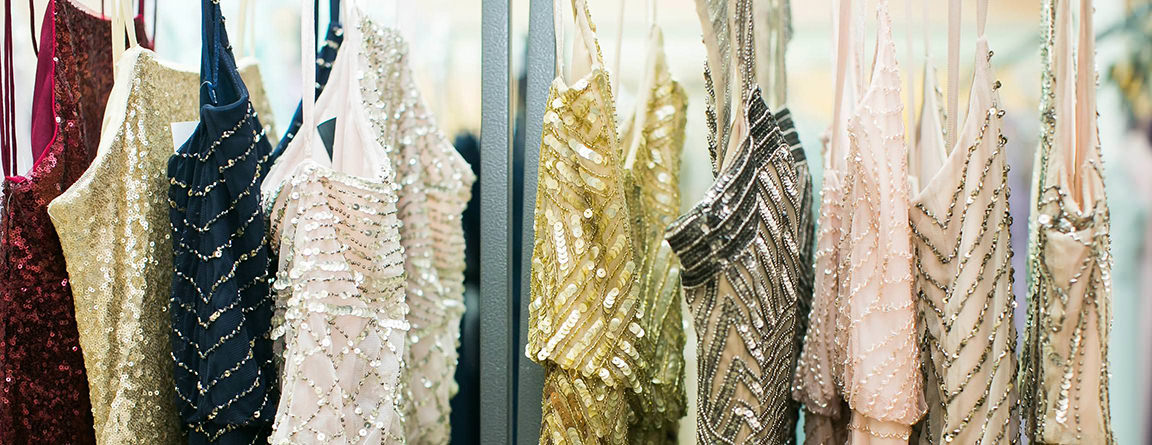
DESIGNER DRESSES
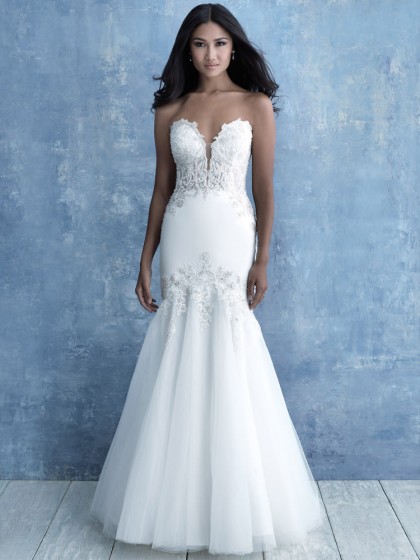
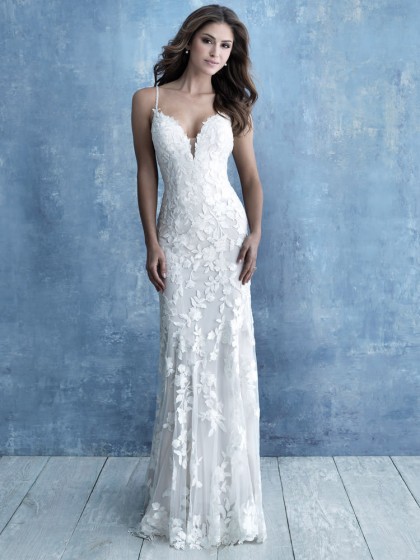
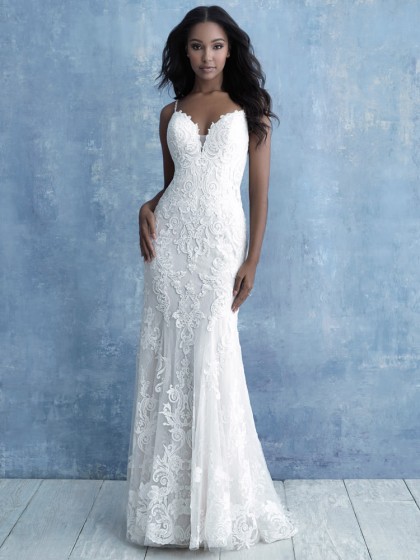
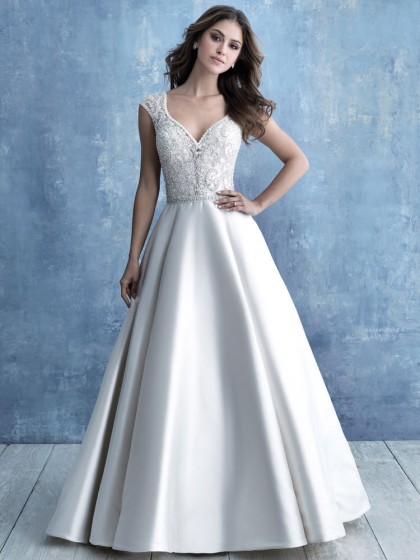
for Every Body Discover dresses from the world’s leadingdesigners in fits & sizes that match you! SHOP THE COLLECTIONS >
FIND YOUR PERFECT
Style With hundreds of amazing styles to choose,from, browse our catalog for the newest
and hottest in Bridal, Bridesmaids, Evening,
Cocktail dresses & More! SHOP THE COLLECTIONS >
SHOP MORE, GET MORE
as an M-Insider Get bonus points for every dollar you spend that can be used towardsfuture purchases! Get $25.00 M-Insider credit just by setting up an
account that can be used towards your first purchase. LEARN MORE ABOUT M-INSIDER >
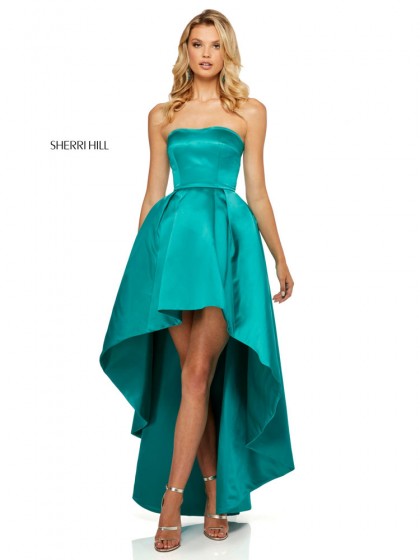
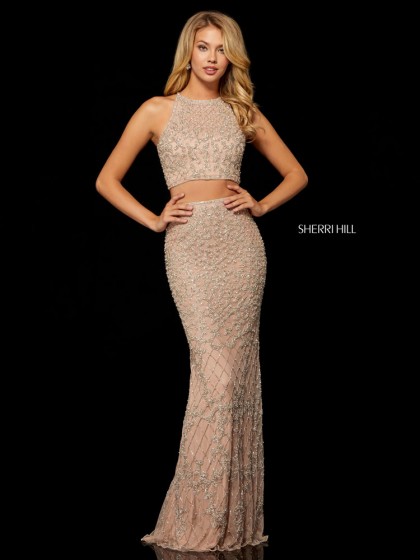
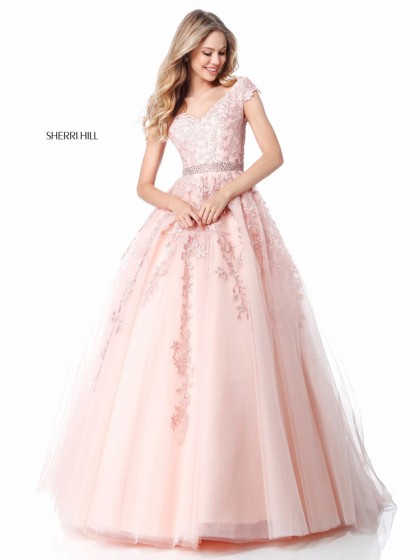
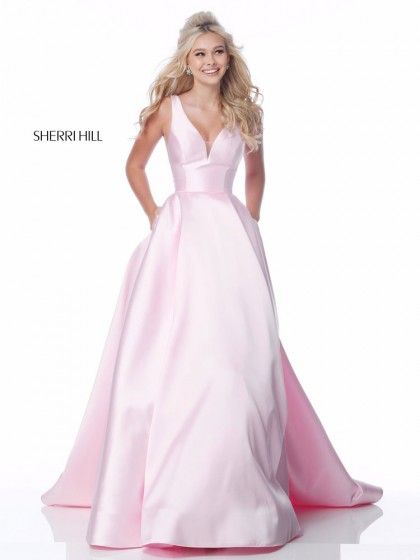
Prom Dresses
That Make Them Go Hmmmm! The hottest looks from the worlds trendiest designers.Available in tons of sizes and colors! SHOP COLLECTIONS > Featured: Jovani Prom Dresses
Cocktail Dresses
That Make the Night Shine! The memories write themselves wearing these hot looksfrom some of the worlds most sought after designers SHOP COLLECTIONS > Featured: Faviana Dresses